


Gilgit-Baltistan: Pakistan’s tourist jewel tested by development and climate change
Gilgit-Baltistan: Pakistan’s tourist jewel tested by development and climate change
One of your browser extensions seems to be blocking the video player from loading. To watch this content, you may need to disable it on this site.


Reading time
1 min
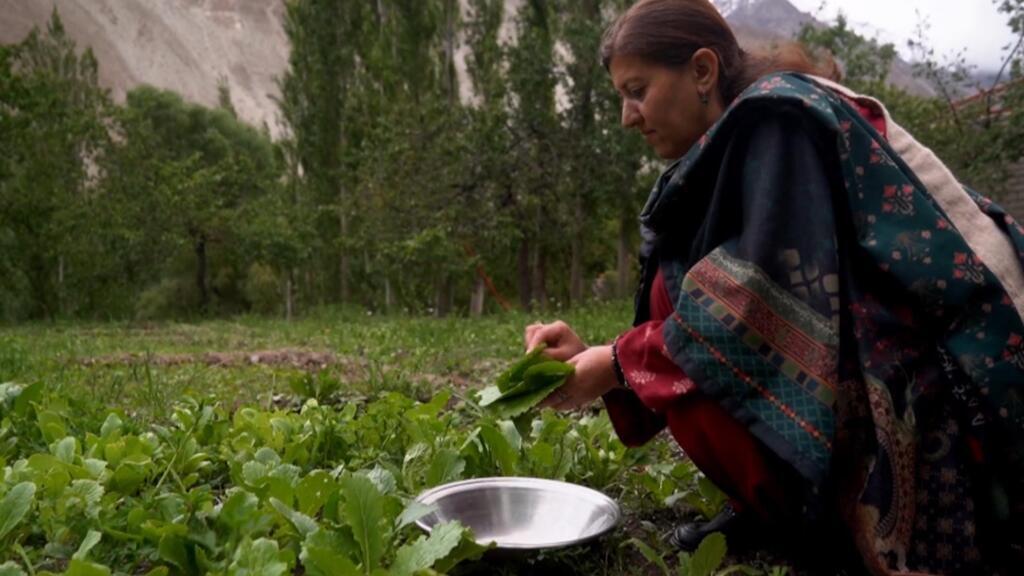
In just a few decades, the Hunza Valley in Gilgit-Baltistan, a remote mountainous region of northern Pakistan, has undergone a dramatic transformation. Expanded access to education, improved healthcare and strong local development have reshaped the area, in a model of progress often linked to foundations associated with the Aga Khan, the spiritual leader of the Ismaili community. The minority counts nearly 500,000 members in Pakistan and makes up around 90% of Hunza’s population.
Greater access to the region has also fuelled tourism, attracting tens of thousands of visitors each year to a landscape dominated by peaks above 7,000 metres, including K2. The influx has created new opportunities for local communities, but it is also changing the territory. Hotels and infrastructure are expanding rapidly, with concrete development becoming increasingly visible in some valleys.
At the same time, Gilgit-Baltistan is on the front line of climate change. The region’s thousands of glaciers are retreating rapidly, while climate-related disasters are becoming more frequent, threatening an economy that is still finding its footing.
A report by Shahzaib Wahlah and Ondine de Gaulle.